Understanding Physical Rehabilitation Benefits

Physical rehabilitation is a crucial process that helps individuals recover from injuries, surgeries, or chronic conditions. It focuses on restoring movement and function, improving quality of life, and promoting overall well-being. In this blog post, we will explore the various benefits of physical rehabilitation, the different types of therapies available, and how they can significantly impact recovery and health.
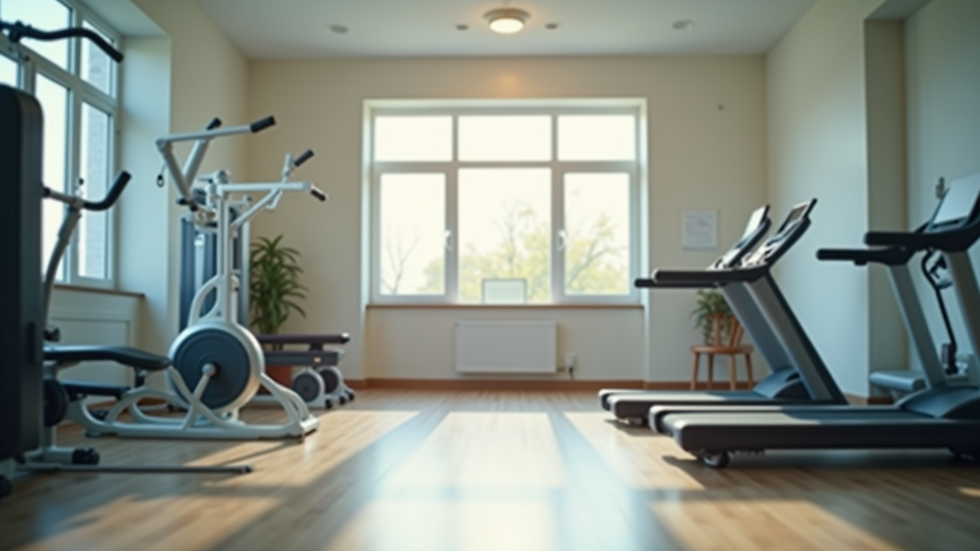
The Importance of Physical Rehabilitation
Physical rehabilitation is not just about healing; it is about empowering individuals to regain their independence and improve their daily lives. Whether recovering from a sports injury, surgery, or a debilitating condition, rehabilitation plays a vital role in the recovery process. Here are some key reasons why physical rehabilitation is important:
Restoration of Function: Rehabilitation helps restore movement and function to injured areas, allowing individuals to return to their daily activities.
Pain Management: Through targeted therapies, rehabilitation can help manage and reduce pain, making recovery more comfortable.
Prevention of Future Injuries: Rehabilitation often includes education on proper body mechanics and exercises that can prevent future injuries.
Improved Quality of Life: By enhancing mobility and reducing pain, rehabilitation can significantly improve an individual's overall quality of life.
Types of Physical Rehabilitation
Physical rehabilitation encompasses various therapies tailored to meet individual needs. Here are some common types of rehabilitation:
1. Physical Therapy
Physical therapy focuses on improving movement and function through exercises, manual therapy, and modalities like heat or cold therapy. Physical therapists assess patients' conditions and create personalized treatment plans.
2. Occupational Therapy
Occupational therapy helps individuals regain the skills needed for daily living and working. This may involve adapting environments, teaching new techniques, or using assistive devices.
3. Speech Therapy
For individuals recovering from strokes or surgeries affecting speech and swallowing, speech therapy focuses on improving communication and swallowing abilities.
4. Cardiac Rehabilitation
This specialized program is designed for individuals recovering from heart-related conditions. It includes exercise, education, and support to help patients improve their heart health.
5. Neurological Rehabilitation
This type of rehabilitation focuses on individuals with neurological conditions, such as stroke or multiple sclerosis. It aims to improve mobility, coordination, and daily functioning.
Benefits of Physical Rehabilitation
The benefits of physical rehabilitation extend beyond just physical recovery. Here are some of the most significant advantages:
Enhanced Mobility
One of the primary goals of rehabilitation is to improve mobility. Through targeted exercises and therapies, individuals can regain strength and flexibility, allowing them to move more freely. This is particularly important for those recovering from surgeries or injuries that limit movement.
Pain Relief
Many individuals experience chronic pain due to injuries or conditions. Rehabilitation can provide effective pain management strategies, including exercises, manual therapy, and modalities like ultrasound or electrical stimulation. These approaches can help reduce reliance on pain medications.
Increased Strength and Endurance
Rehabilitation programs often include strength training and endurance exercises. These activities help rebuild muscle strength and improve overall fitness levels, making it easier for individuals to engage in daily activities without fatigue.
Psychological Benefits
Physical rehabilitation can also have a positive impact on mental health. The process of recovery can boost self-esteem and confidence as individuals achieve their rehabilitation goals. Additionally, the support from therapists and fellow patients can foster a sense of community and motivation.
Education and Self-Management
Rehabilitation programs often include education on injury prevention and self-management techniques. Patients learn how to care for themselves, recognize warning signs, and make informed decisions about their health. This knowledge empowers individuals to take an active role in their recovery.
The Role of Technology in Rehabilitation
Advancements in technology have transformed the field of physical rehabilitation. Here are some ways technology is enhancing rehabilitation outcomes:
Telehealth Services
Telehealth has become increasingly popular, allowing patients to receive therapy remotely. This is especially beneficial for individuals who may have difficulty traveling to appointments. Virtual sessions can include guided exercises, consultations, and progress monitoring.
Wearable Devices
Wearable technology, such as fitness trackers and smartwatches, can help monitor physical activity and progress. These devices provide real-time feedback, encouraging individuals to stay active and engaged in their rehabilitation.
Virtual Reality
Virtual reality (VR) is being used in rehabilitation to create immersive environments for patients. This technology can simulate real-life scenarios, helping individuals practice movements and improve coordination in a safe setting.
Success Stories in Physical Rehabilitation
Real-life success stories can inspire and motivate individuals undergoing rehabilitation. Here are a few examples of how physical rehabilitation has made a significant difference:
Case Study 1: Sports Injury Recovery
A young athlete suffered a knee injury during a game, requiring surgery. Through a comprehensive rehabilitation program, including physical therapy and strength training, the athlete regained full mobility and returned to the sport within six months. The focus on rehabilitation not only healed the injury but also improved overall performance.
Case Study 2: Stroke Recovery
An elderly woman experienced a stroke that affected her mobility and speech. With the help of physical and speech therapy, she gradually regained her ability to walk and communicate. The support from her rehabilitation team and family played a crucial role in her emotional and physical recovery.
Case Study 3: Post-Surgery Rehabilitation
A man underwent hip replacement surgery and participated in a structured rehabilitation program. Through targeted exercises and education on joint care, he was able to return to his daily activities within weeks, significantly improving his quality of life.
How to Get Started with Physical Rehabilitation
If you or a loved one is considering physical rehabilitation, here are some steps to get started:
Consult a Healthcare Professional: Speak with your doctor or a specialist to determine if rehabilitation is necessary and what type is appropriate for your condition.
Choose a Rehabilitation Facility: Research local rehabilitation centers or clinics that offer the services you need. Look for facilities with qualified staff and positive reviews.
Set Goals: Work with your rehabilitation team to set realistic and achievable goals. Having clear objectives can help keep you motivated throughout the process.
Stay Committed: Consistency is key in rehabilitation. Attend all scheduled sessions and follow through with home exercises to maximize your recovery.
Seek Support: Engage with family and friends for encouragement. Joining support groups can also provide motivation and a sense of community.
Conclusion
Physical rehabilitation offers numerous benefits that extend beyond physical recovery. From enhancing mobility and relieving pain to improving mental health and providing education, rehabilitation plays a vital role in helping individuals regain their independence and quality of life. If you or someone you know is facing a recovery journey, consider the positive impact that physical rehabilitation can have. Take the first step towards recovery today and explore the options available to you.


Comments